HVAC Repair in Kansas City MO: Comfort Issues During Hot Days
Kansas City summers don’t ease in. They arrive with humidity that makes the air feel thicker, and then they stick around long enough for every small HVAC problem to show itself. A system that “almost works” in spring can turn into a full-on comfort crisis by July, especially when the afternoons run hot and the nights refuse to cool down.
Over the years, I’ve seen the same pattern play out in basements, ranch homes, and newer two-story builds alike: the AC blows colder air for a while, then gradually loses steam. Or it cycles on and off too often, never fully reaching temperature. Or it runs nonstop and the indoor https://all4onekc.com/ air stays sticky, even when the thermostat is set low.
That’s when AC repair in Kansas City MO becomes more than a service call. It’s about preventing food spoilage, keeping kids and pets comfortable, and avoiding that miserable feeling of paying for cooling that never quite lands.
What hot weather exposes in AC systems
Air conditioning systems are not delicate, but they are sensitive to load. When outdoor temperatures climb, the unit has to move heat out of the home faster. That means the compressor, condenser, fans, and airflow all have to cooperate at the same time.
When something is off, the symptoms can look similar from room to room, even when the causes differ. For example:
- Low airflow can be mistaken for a “weak compressor.”
- A dirty coil can mimic refrigerant issues.
- A faulty capacitor can start as intermittent cooling and then turn into total failure.
In Kansas City, humidity adds a second layer. The system needs enough airflow across the evaporator coil to remove moisture. When that doesn’t happen, the house can feel clammy and warm at the same time. You don’t just notice it at the thermostat, you notice it when you walk through the hallway and the air seems to cling to your skin.
One homeowner once told me the AC was working because the air “was cold when it first kicked on.” That was true, for about 10 to 15 minutes. Then the supply air temperature drifted upward, and humidity climbed. The unit was moving air but struggling to sustain proper heat transfer, and the root cause was tied to how the system was handling airflow and coil condition. The fix restored both temperature control and the feel of indoor air.
Common comfort problems during hot days
Not every issue shows up as a complete breakdown. Many Kansas City households experience “comfort drift,” where the system runs but fails to deliver consistent cooling.
The house won’t get to temperature
This is one of the most frequent HVAC repair calls I hear about. The thermostat might be set to 74, but the living room never drops below the upper 70s. The first instinct is often to blame the compressor, but I’ve learned to treat it like an investigation.
Sometimes the indoor filter is overdue and throttles airflow. Sometimes a return vent is blocked by furniture or a flooring register is covered with a rug that didn’t used to be there. Sometimes dampers or duct leaks reduce how much air reaches the hot rooms. And yes, sometimes refrigerant performance or a failing component is the real culprit.
The trade-off here is important. You can throw parts at the problem, but the best approach is to verify airflow and operational conditions before replacing anything. Otherwise, you end up paying for parts and still dealing with the same comfort issue.
The system cycles too frequently
Short cycling happens when the AC turns on, cools for a brief period, then shuts down early and repeats. People often assume this is “better” because the unit isn’t running nonstop, but the comfort effect can be rough. Short cycles can also increase wear on the compressor and create a pattern where humidity removal suffers.
A system can short cycle because the thermostat is oversized, airflow is restricted, the outdoor fan isn’t doing its job, or the unit is operating under conditions it can’t maintain efficiently. It’s not always obvious until you watch how the equipment behaves during the hottest part of the day.
Rooms feel uneven, especially upstairs
Two-story homes are classic for this. The upstairs might be noticeably warmer, or one bedroom could remain uncomfortable while others cool fine. The cause is rarely only “bad insulation,” though insulation matters.
More often, the issue is a combination of duct airflow balance, thermostat placement, and the way air returns from the upstairs are designed. If the system can’t pull air back to the unit, the supply air has nowhere to go. That can lead to high temperatures in rooms that never receive enough conditioned airflow.
In some cases, simple adjustments improve performance dramatically. In other cases, you need HVAC duct evaluation to identify hidden restrictions or leaks.
The AC runs nonstop but the house still feels muggy
This is one of the most frustrating scenarios, because it feels like the system is trying hard. The outdoor unit is running steadily, the indoor air keeps moving, but humidity remains high and the house never becomes truly comfortable.
That usually points to inadequate moisture removal. Without enough airflow across the evaporator coil, the coil can’t do its job of condensing humidity out of the air. Dirty coils, blocked drain lines, restricted airflow, or fan problems can all contribute.
Sometimes the drain line is partially clogged. You’ll see water overflow or notice a musty smell, but not always. Even without an obvious water problem, a restricted condensate line can interfere with system operation and increase indoor humidity.
Warm air at the vents after it has already been cooling
If the supply air starts cold and then shifts warmer, you’re looking at a dynamic problem. That shift can come from a capacitor failing under load, an airflow issue that worsens as conditions change, or a control problem. It can also happen if the outdoor unit isn’t rejecting heat effectively, which then forces the system to throttle back.
When a unit exhibits this “starts strong, fades later” pattern, I treat it as a signal that the equipment is not stable under peak load. That matters for troubleshooting, because some problems only reveal themselves after the system runs for 20 to 60 minutes.
Quick signs you’re due for AC repair
You don’t need to be an HVAC expert to know when your system is showing warning behavior. If you recognize a pattern, you can act before the breakdown happens during a heat wave.
Here are a few clear comfort-related signs to watch for:
- The indoor temperature drops slowly compared to past summers
- The system cycles on and off more often than it used to
- Humidity feels higher even when the thermostat reads “close”
- Strange noises show up when the outdoor unit starts
- The unit runs longer but doesn’t improve the feel of the air
If you’re seeing multiple signs at once, it’s usually smarter to schedule AC maintenance in Kansas City before the system fails outright. Maintenance is not just “routine.” In hot weather, it’s how you keep airflow, coil cleanliness, and control behavior within the range where cooling actually works.
Why “repair” isn’t always the same thing in Kansas City
When homeowners ask about AC repair in Kansas City MO, the next question is often, “How much should I expect to pay?” The honest answer is that pricing depends on what’s wrong and how the system is built. But it also depends on the quality of the diagnosis.
A strong HVAC contractor in Kansas City MO doesn’t just swap parts. They verify. They check airflow, measure temperature rise across the coil, inspect electrical components, and look at how the system behaves under load. That kind of work protects you from expensive guesswork.
In my experience, the biggest cost drivers during hot days are avoidable diagnostic missteps, and the second biggest driver is delayed response. When a system is allowed to run through extreme conditions, small problems can escalate into bigger failures. For example, a failing capacitor or failing fan motor may start as intermittent trouble, then progress to a compressor shutdown situation.
There are also scenarios where repair is the right call and scenarios where replacement starts to make more sense. A knowledgeable contractor should be able to discuss both without trying to steer you one way or the other. Age, equipment condition, and parts availability all matter, but so does how the system performs today.
AC installation vs repair: when new equipment becomes the better move
Most homeowners start with repair, and it’s usually the correct first step when the system is relatively new or the issue is clearly limited, like a refrigerant leak in an accessible area or a failed contactor.
But Kansas City weather can be unforgiving, and sometimes a repair stops being the best strategy. You might consider AC installation in Kansas City when:
- The unit is repeatedly breaking down during peak load
- Multiple components show wear at the same time
- Repairs are frequent enough that comfort becomes unpredictable
- The system’s efficiency is far below what the home needs, causing long runtimes
- The ductwork or layout is limiting performance, requiring redesign alongside new equipment
A good discussion includes not only the cost of the unit, but also the total comfort outcome. Proper sizing matters. An oversized unit can cool quickly but struggle with humidity removal. An undersized unit can run constantly and still feel weak. The goal is stable temperature and dehumidification, not just hitting a number on the thermostat.
If you’ve ever walked into a room that feels cooler but still muggy, you’ve seen what bad sizing or poor airflow balance can do. Comfort is more than temperature.
The role of maintenance during peak summer
AC maintenance in Kansas City isn’t something you do once and forget. It’s part of how you keep a system ready for the moments when the outdoor heat is at its most demanding.
The most valuable maintenance visits I’ve seen focus on the fundamentals that directly affect comfort and efficiency:
- Cleaning coils and removing debris that blocks heat exchange
- Verifying airflow and checking for restrictions
- Inspecting electrical connections and safety controls
- Checking condensate drainage and ensuring the system can manage humidity
- Reviewing thermostat operation and control behavior
A dirty outdoor coil can reduce heat transfer efficiency. When that happens, the compressor has to work harder and longer to achieve the same cooling effect. You may notice higher indoor temperatures, slower recovery after the system cycles off, or an outdoor unit that runs hot to the touch.
Similarly, restricted airflow often shows up as uneven cooling. Supply air may be cooler, but some rooms never get enough of it. That’s why filters and return pathways matter. You can have a perfectly healthy compressor and still feel uncomfortable if the air is not moving the way the system was designed to move it.
Troubleshooting with real-world HVAC details
You’ll hear a lot of opinions about what “must” be wrong with an AC system. Some are common myths. Most of them don’t hold up when you look at how equipment actually operates.
Here’s how I think about troubleshooting when comfort is failing during hot days:
Airflow first, then electrical and mechanical checks, then refrigeration performance. Not because refrigeration issues are impossible, but because many comfort failures begin with airflow or coil condition. When airflow is restricted, the evaporator coil can’t process moisture correctly and the system can reach temperature and pressure conditions that trigger protective behavior. That can lead to cycling, frozen components, or warm supply air after initial cooling.
Electrical issues also matter because they can be intermittent. Capacitors, contactors, and failing fan motors may operate well enough to start the system but not under sustained load. The system might cool for a short window and then drift. That pattern is a clue that the system can’t maintain stable operation.
And then there’s outdoor heat rejection. In humid summers, the outdoor unit has to move a lot of heat. If the fan isn’t running correctly or the coil is coated with grime and pollen, the condenser becomes less efficient. The indoor part may still feel like it’s working at first, then performance slips as conditions worsen.
When a technician takes a “measure before replace” approach, it tends to lead to repairs that last instead of repairs that only patch the symptoms.
A few examples of what I’d check in Kansas City homes
Every home is different, but comfort problems tend to cluster around certain patterns. Here are a few real-life scenarios I’ve dealt with, described in practical terms.
A homeowner calls because their AC “can’t keep up” on hot afternoons. The technician checks the filter, finds it severely loaded, and replaces it. Cooling improves, but the system still runs longer than expected. Next, the team inspects supply airflow and finds a partially blocked duct run. The comfort problem improves after clearing the restriction, but they also recommend addressing duct sealing or balancing for long-term stability.
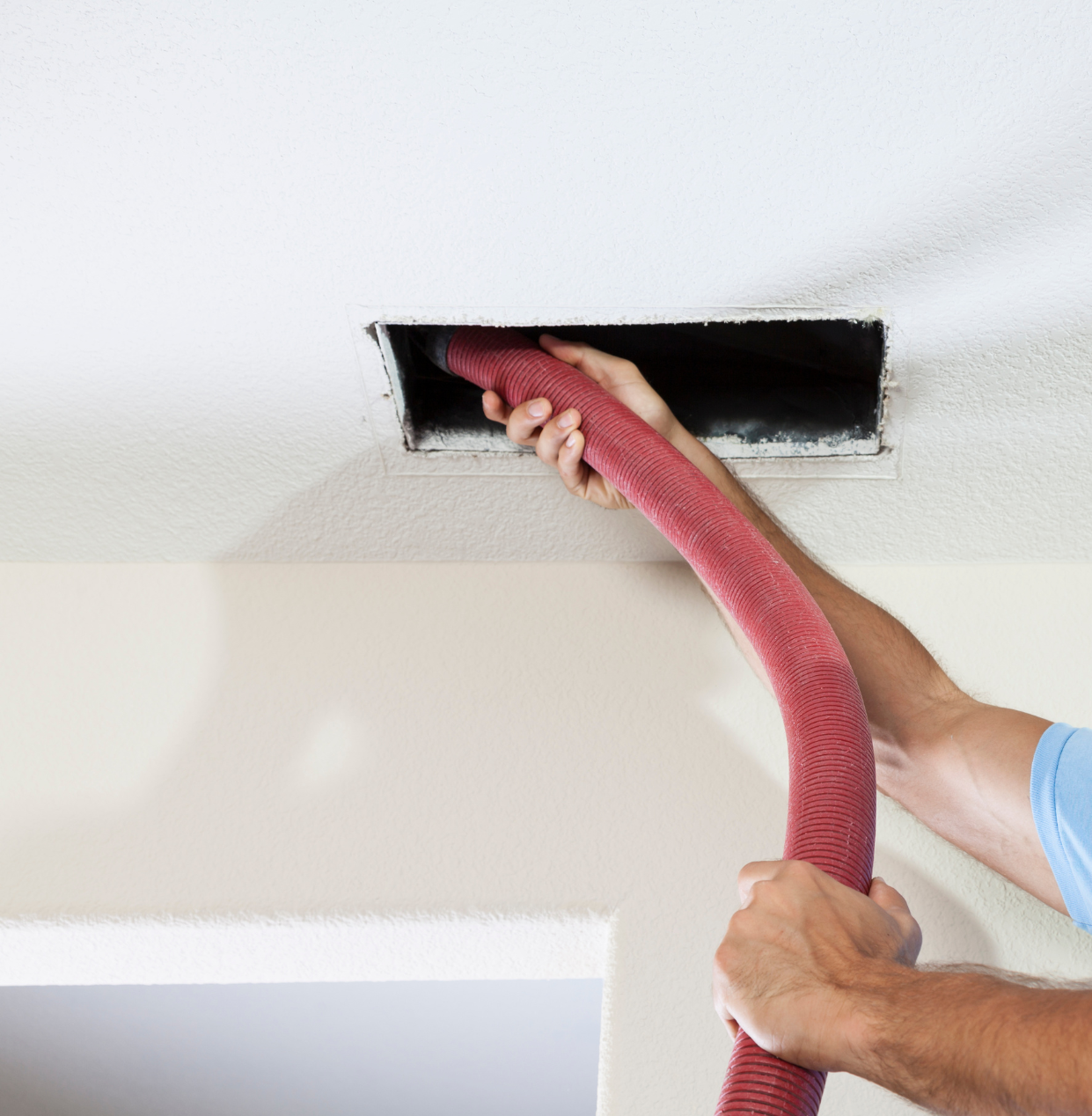
Another household reports that humidity feels high and the house is always damp. The thermostat temperature is near target, but the air feels sticky. During inspection, the technician finds that condensate draining is not smooth. Sometimes it’s a partial clog, sometimes it’s an installation issue that doesn’t handle summer load. Once the drainage pathway is cleared and verified, the air feels dramatically better because the system can actually dehumidify as it cools.
Then there’s the “it cools in the morning, fails later” call. In those cases, electrical or fan performance is often part of the story. If the outdoor fan struggles at sustained run time, the system can’t reject heat efficiently. It might start cooling fine, then drift. Fixing the fan or the control circuit restores steady performance.
These examples highlight a point that matters for homeowners: the temperature reading alone can hide the real issue. Humidity, run time, cycle frequency, and symptom timing are often more informative than whether the thermostat says 74.
How to choose an HVAC contractor in Kansas City MO
Finding a reliable contractor is not about collecting ads. It’s about looking for consistent process and clear communication.
Before you schedule HVAC repair in Kansas City MO, pay attention to how the contractor responds to your concerns. Do they ask about symptom timing? Do they talk about verification, not just replacement? Do they explain the likely cause and what they will check to confirm it?
You should also consider practical details. How quickly can they schedule service during peak heat? Do they provide transparent options if multiple repairs are needed? Are they comfortable talking through trade-offs, such as repairing a component now versus planning for replacement if the system is near the end of its service life?
Here are a few good questions to ask during a call or estimate:
- What measurements will you take to confirm the cause, not just guess?
- How do you assess airflow and coil condition during diagnostics?
- What specific parts are you recommending, and why?
- What outcome should I expect after the repair, in comfort terms?
- If replacement comes up, how do you determine sizing and efficiency needs?
A contractor that can answer those directly tends to be one you can trust.
Preventing repeat failures before the next heat spike
Kansas City summers can be relentless, and the goal isn’t just to fix the system today. The goal is to keep it stable through the next week of 90-degree days, and the next.
Practical steps you can take between service calls make a difference. Replace filters on schedule, especially during the hottest months when the system runs longer. Keep returns clear, and don’t block vents with furniture or seasonal clutter. If you notice unusual odors, standing water around the unit, or repeated tripping of breakers, treat it as a priority issue rather than waiting for a “later” appointment.
And when you do need repair, act sooner rather than assuming the system will “hold out.” The longer a problem persists under heavy load, the more likely you are to end up with secondary failures. That’s when a modest fix can become a bigger repair bill.
When it’s time to stop troubleshooting and book service
If your system is blowing warm air, tripping safety controls, freezing up, or simply failing to keep up during the hottest hours, it’s time to bring in a professional. DIY work is risky in ways that go beyond the frustration of not having the right tools.
Refrigerant handling requires proper training and equipment, and electrical components can pose serious hazards. More importantly, without proper diagnosis you can miss the true cause and waste time.
The best comfort move in Kansas City heat is usually scheduling service quickly once symptoms appear. AC repair in Kansas City MO works best when you catch problems before they escalate.
Getting comfortable again, not just “operational”
A repaired air conditioner should do more than turn on. It should cool reliably, remove humidity effectively, and run in a way that makes sense for your home. You should notice that the air feels fresher, not just colder. Rooms should stop lagging behind. The system should feel steady, not like it’s fighting the weather.
That’s the difference between a quick patch and a real fix. Whether you need HVAC repair in Kansas City MO, HVAC contractor support, AC installation guidance, or AC maintenance in Kansas City, the common thread is performance you can feel.
If your system is struggling in this Kansas City heat, don’t wait for the next outage. A measured diagnosis now can save you from the long, uncomfortable stretch that comes when the thermometer keeps rising and the AC keeps failing to keep up.
All 4 One Heating & Cooling
5828 Woodland Ave, Kansas City, MO 64110, United States
816-699-8366
[email protected]
Website: https://all4onekc.com/